US Army Corps of Engineers

Draft plans outline a long-term vision to revitalize North St. Louis around the NGA campus

Draft plans for a broad revitalization of six North City neighborhoods surrounding the National Geospatial-Intelligence Agency’s (NGA) new campus were released to the public this week, laying out a multi-phased effort that city leaders say will tie large federal investment to long-sought local renewal.

The Project Connect drafts, produced by the St. Louis Development Corporation with input from community stakeholders, cover Carr Square, Columbus Square, Hyde Park, Jeff-Vander-Lou, Old North St. Louis, and St. Louis Place. The hundreds of pages outline priorities including housing reuse, infrastructure upgrades, transportation improvements, workforce development, and cultural amenities. The documents are intended to coordinate private development proposals with public investments tied to the NGA campus.

Officials emphasized that the plans are drafts and are subject to refinement following public comment. An open house and review materials were made available so residents can weigh in on specifics such as converting vacant St. Louis Public Schools buildings into housing, a proposed museum honoring the Negro Leagues in Jeff-Vander-Lou, and targeted streetscape work intended to improve sidewalks, crossings, and stormwater systems.

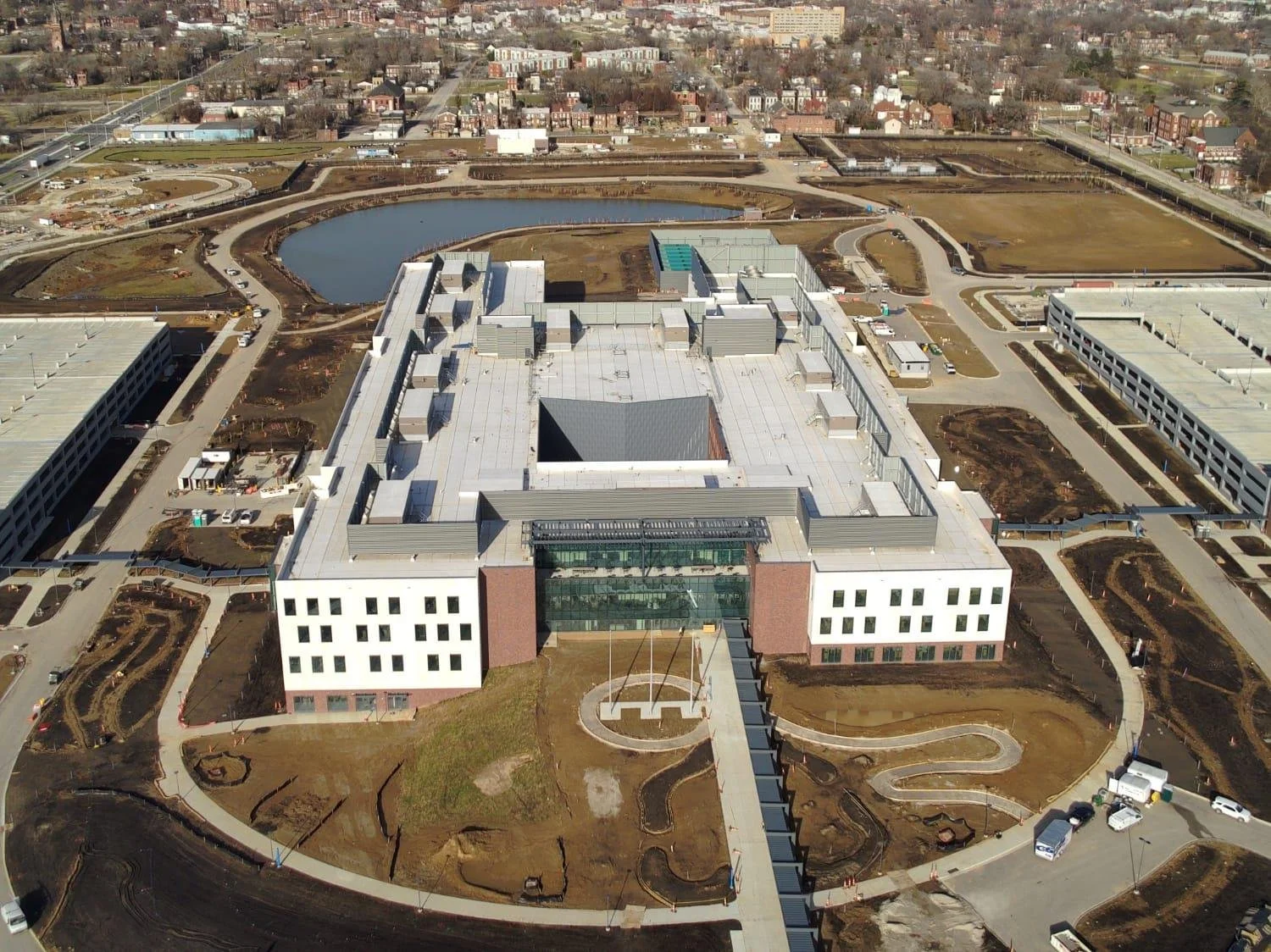
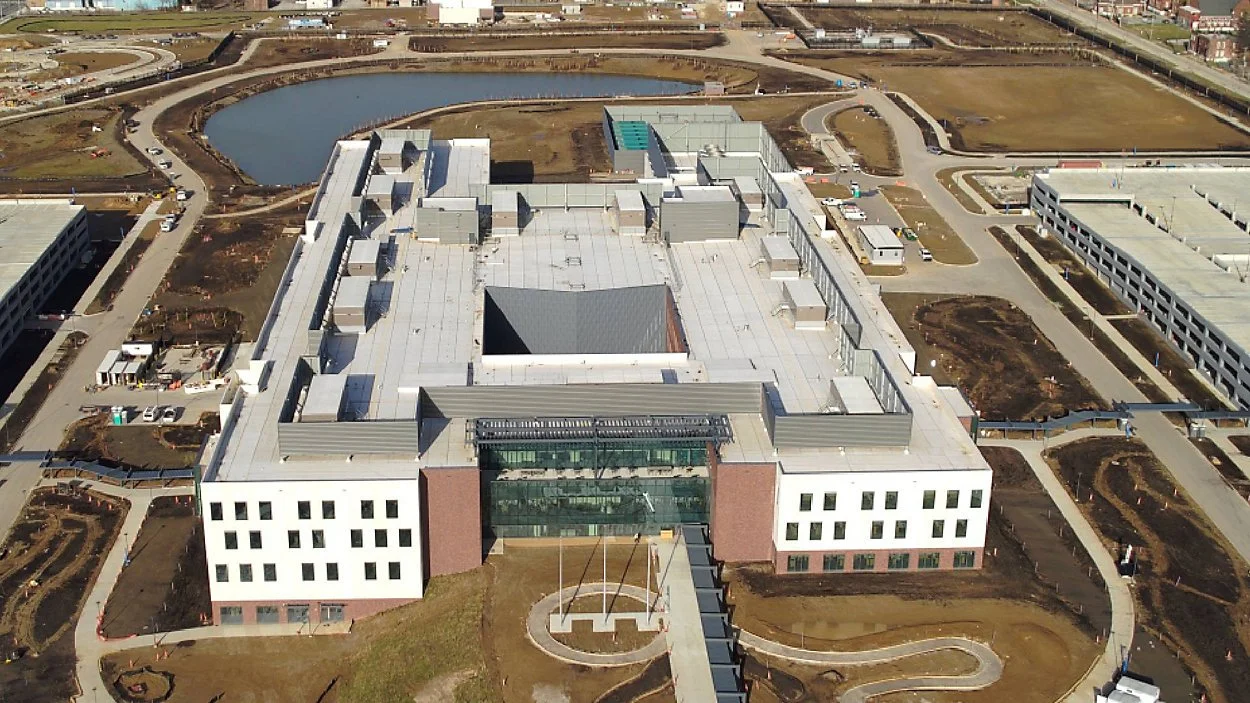
Construction and engineering work tied to the Next NGA West campus has already been a major presence in North City; the agency opened its new St. Louis facility in late September after a multiyear, roughly $1.7 billion build. The federal project was executed under U.S. Army Corps of Engineers oversight and built by a McCarthy-HITT joint venture, and city planners say that experience and contracting base will help accelerate neighborhood infrastructure contracts.

Design and planning partners on Project Connect include the city’s SLDC and outside consultants experienced in neighborhood planning; Interboro Partners is listed among firms that worked on the “Our Plan” process, which guided community engagement and mapping of implementation steps. Officials said implementation will roll out in phases tied to funding availability, public-works bidding cycles, and private development timelines — a process that could span several years.

Advocates and skeptics alike voiced cautious optimism at recent forums, with supporters pointing to job creation and improved services and critics warning about displacement and the need for enforceable community benefits. City leaders urged residents to review the drafts online and at upcoming meetings so the next round of revisions will reflect neighborhood priorities as Project Connect moves from planning to action.


Header image: Next NGA West, a mega-project jointly managed by the National Geospatial-Intelligence Agency, U.S. Army Corps of Engineers, and U.S. Air Force, opened its new campus in north St. Louis Sept. 26, 2025. Image | NGA

Optimizing federal space in St. Louis opens doors for economic expansion and community investment

The U.S. General Services Administration (GSA) has identified multiple federal properties in the St. Louis metropolitan area as "non-core," placing them on a list for potential closure and sale as part of a nationwide initiative to optimize government operations and enhance efficiency. While the move is part of a broader effort targeting more than 440 federal buildings across the country, it also presents opportunities for redevelopment and economic growth in the region.

Among the properties affected is the Robert A. Young Federal Building, located at 1222 Spruce St. in downtown St. Louis. The 20-story, nearly 1 million SF facility is home to multiple federal agencies, including U.S. Citizenship and Immigration Services, the Internal Revenue Service Taxpayer Assistance Center, and the U.S. Army Corps of Engineers' St. Louis District. Its designation as "non-core" suggests a potential closure and sale, creating the possibility for repurposing the space to serve the community better. Similarly, the Charles F. Prevedel Federal Building at 9700 Page Ave. in Overland, which houses the St. Louis Veterans Affairs Regional Office and the National Agricultural Statistics Service, is under review for potential transition, opening the door for innovative reuse or private sector investment. Additionally, the Federal Mediation and Conciliation Service office, located in the University Tower at 1034 S. Brentwood Blvd. in Richmond Heights, is slated for lease termination.

Above: Inside the Robert A. Young Federal Building could soon be vacant. Image courtesy of Etegra

The federal government's push to optimize its real estate portfolio is part of a larger strategy led by the Department of Government Efficiency. The GSA plans to repurpose or sell more than 500 federal buildings nationwide, including high-profile properties such as the FBI and Department of Justice headquarters. According to the department, lease terminations at 22 underutilized federal properties have already resulted in an estimated $44.6 million in cost savings. While some lease cancellations have led to legal disputes, these transitions will require communities to reimagine how these spaces can be revitalized for commercial, residential, or mixed-use purposes.

The planned transitions of federal buildings in St. Louis could ultimately contribute to economic revitalization. As federal offices consolidate, there is potential for increased investment in local infrastructure, commercial development, and job creation. The private sector and city officials have an opportunity to collaborate on redevelopment efforts that align with regional needs, whether through new business hubs, affordable housing, or community spaces. As the GSA and the Department of Government Efficiency move forward with their plans, stakeholders across the region are engaging in proactive discussions to ensure these changes lead to long-term benefits for the St. Louis community.


Above: The Robert A. Young Federal Building in downtown St. Louis, Mo. is one of several metro area to potentially close. Image courtesy of Etegra