
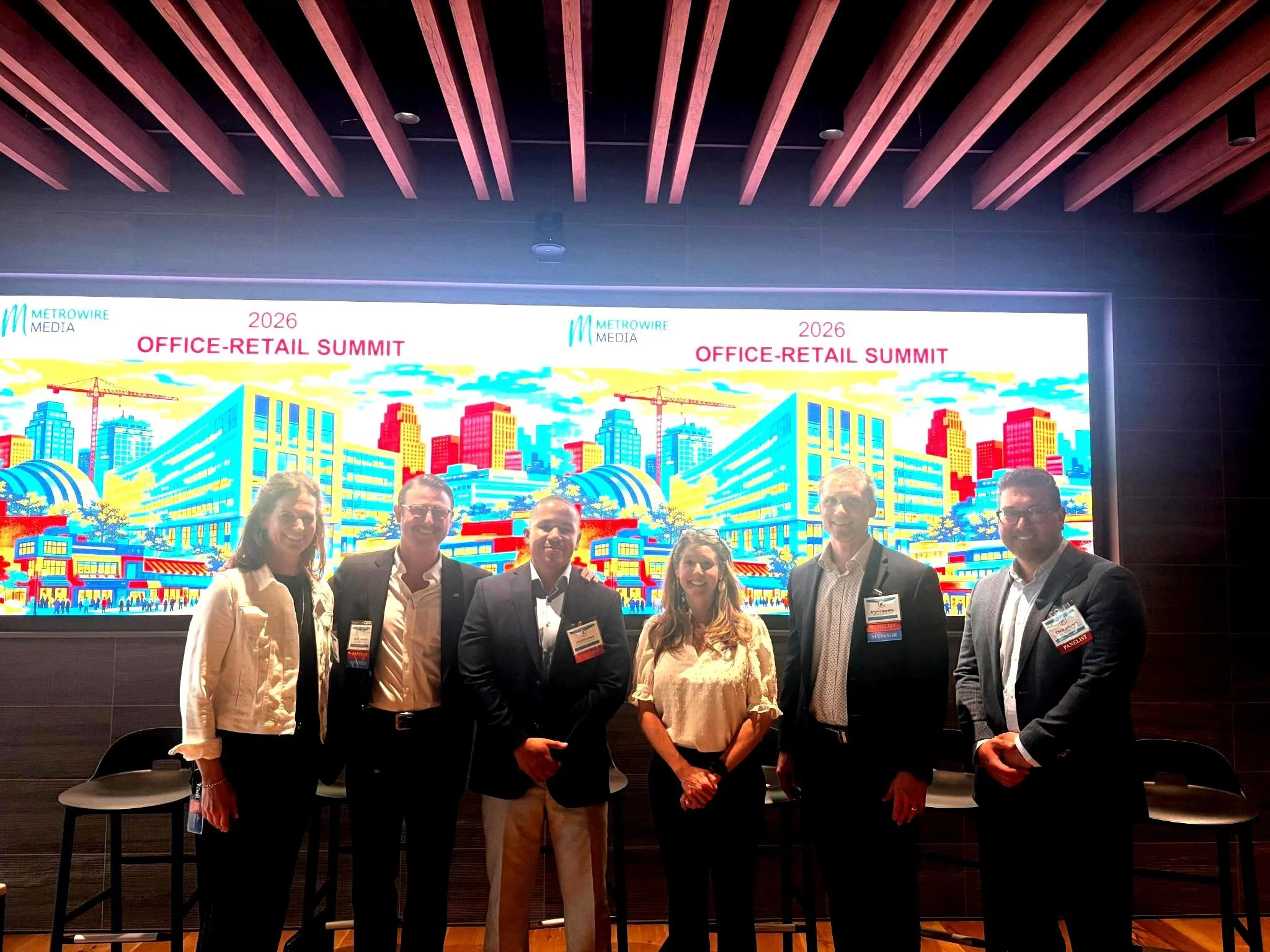
MetroWire Media’s 2026 Office-Retail Summit brought together Kansas City commercial real estate leaders for a candid discussion on a market that remains active, but far more complex than in recent years.
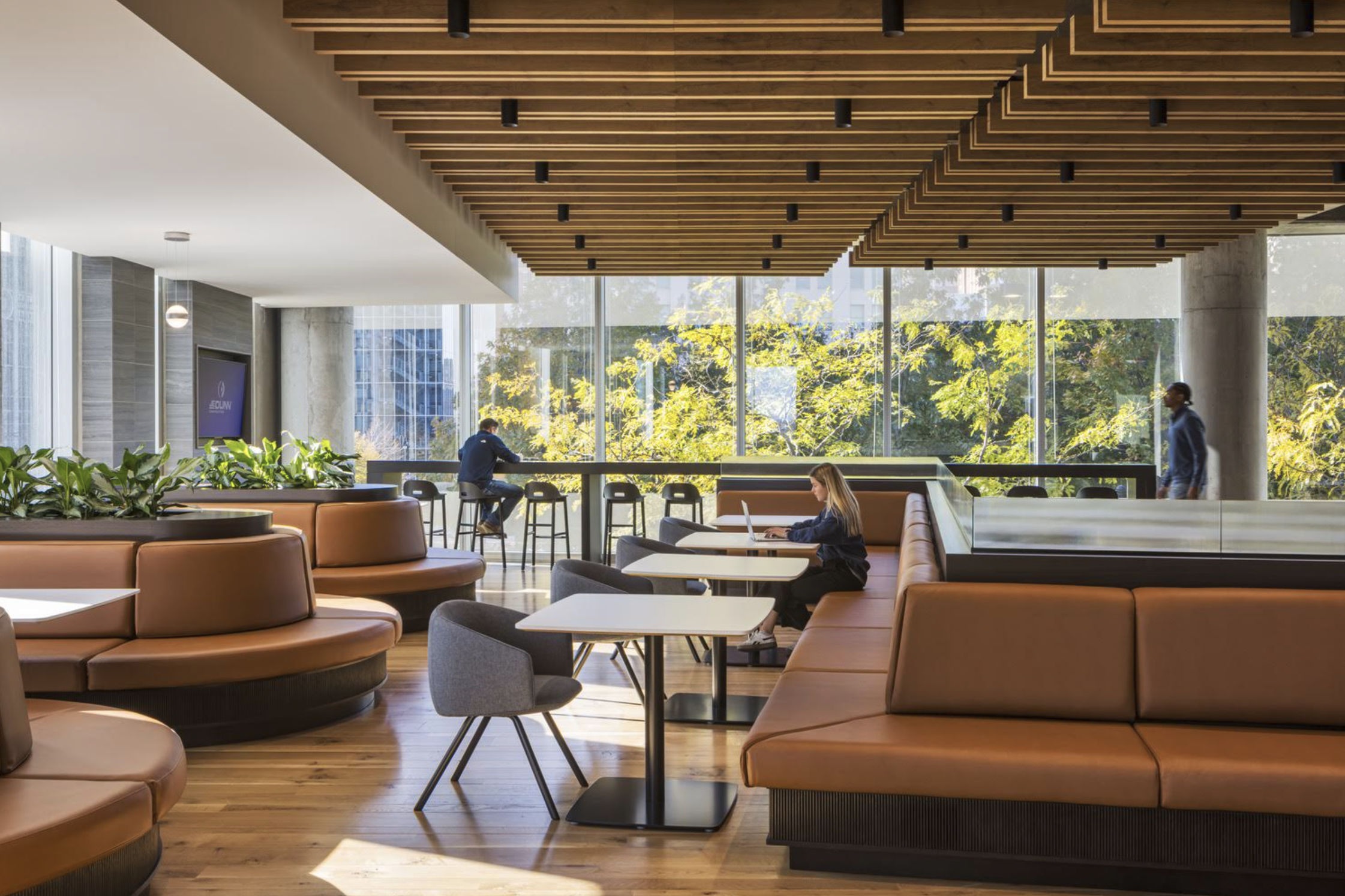
Hosted at JE Dunn Construction and supported by Walnut Risk Management and BHC, the event was moderated by Marcia Youker. Panelists included Charlie Lowe, Chris Jimenez, Beck Johnson, Bryn Charsley, and Audrey Navarro.
The panel had consensus that deals are still happening, but the path to closing has changed dramatically.
“It’s not harder necessarily, but it’s certainly less predictable,” Jimenez said, pointing to the compounding effects of construction costs, insurance premiums, and permitting delays. Navarro echoed that sentiment, saying, “Deals are still getting done … but the pace is a lot slower and more tedious than it’s ever been.”
Rising costs were repeatedly cited as the biggest challenge. “Construction costs are killing a lot of deals right now,” Lowe said, noting that many projects fail once real bids are received. Johnson added, “It’s certainly killing deals … the cost of insurance,” highlighting another growing pressure point for owners and developers.
Charsley reiterated that today’s capital markets have fundamentally changed project feasibility. “There are deals today that would’ve worked in 2021 that just don’t work anymore,” he said, citing lower leverage, more required equity, and thinner margins.
In the office sector, panelists said demand has shifted rather than disappeared. “People are looking for quality office space,” Johnson said, emphasizing continued interest in top-tier environments.
Navarro said smaller tenants are creating new momentum in the market, while others noted distressed pricing has opened selective acquisition opportunities. Jimenez offered a note of caution for investors considering conversions or heavy repositioning. “Architecture can’t fix a bad asset — it has to have good bones,” he said.
Mixed-use projects also remain attractive, though panelists said execution is more important than ever. “Food and beverage is critical,” Navarro said, stressing the importance of activity-driving tenants and consistent programming. Lowe added, “If you want restaurants, you need to design for them from day one — grease traps, ventilation, everything.”
Charsley warned that mixed-use still faces financing challenges because of fragmented capital sources and a narrower buyer pool.
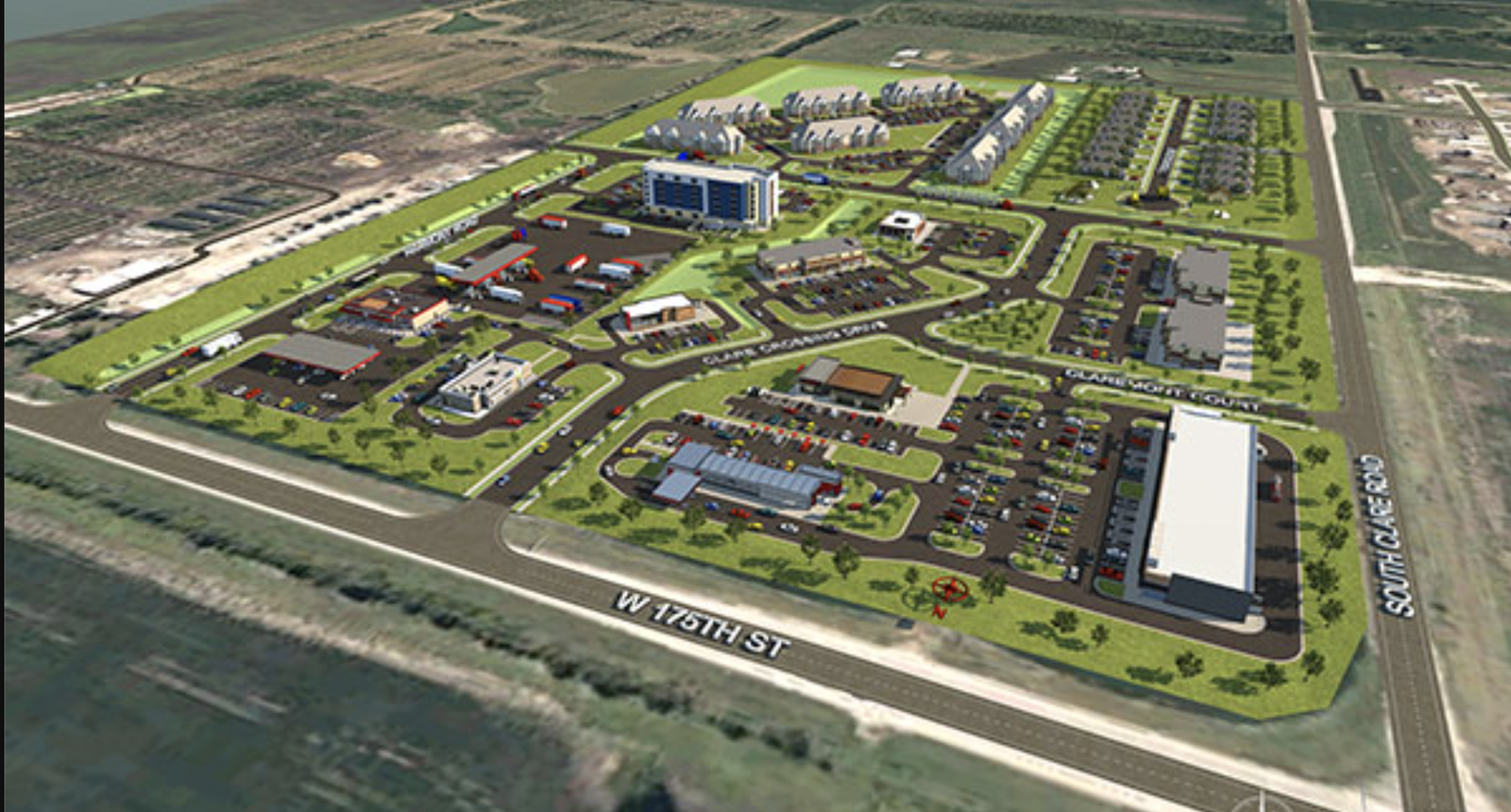
Another major takeaway was the growing strength of suburban markets. “For the first time … we’re seeing more tenants choose suburbs over the city,” Navarro said, citing safety concerns and operational friction. Lowe added that suburban municipalities often approve projects in weeks, while timelines in Kansas City can remain uncertain.
When asked where they would invest today, panelists pointed to flexible, right-sized opportunities:
Charsley: “Townhome-style multifamily … especially in good school districts.”
Navarro: “Small, easily divisible office — buy, not build.”
Johnson: “Industrial for returns … experiential retail for passion.”
Lowe: Targeted Midtown mixed-use opportunities.
Jimenez: Walkable, mixed-use infill concepts.
The upcoming FIFA World Cup 2026 generated optimism, but panelists viewed it primarily as a short-term catalyst.
“There’s a ton of interest,” Lowe said, particularly around retail opportunities near the streetcar line.
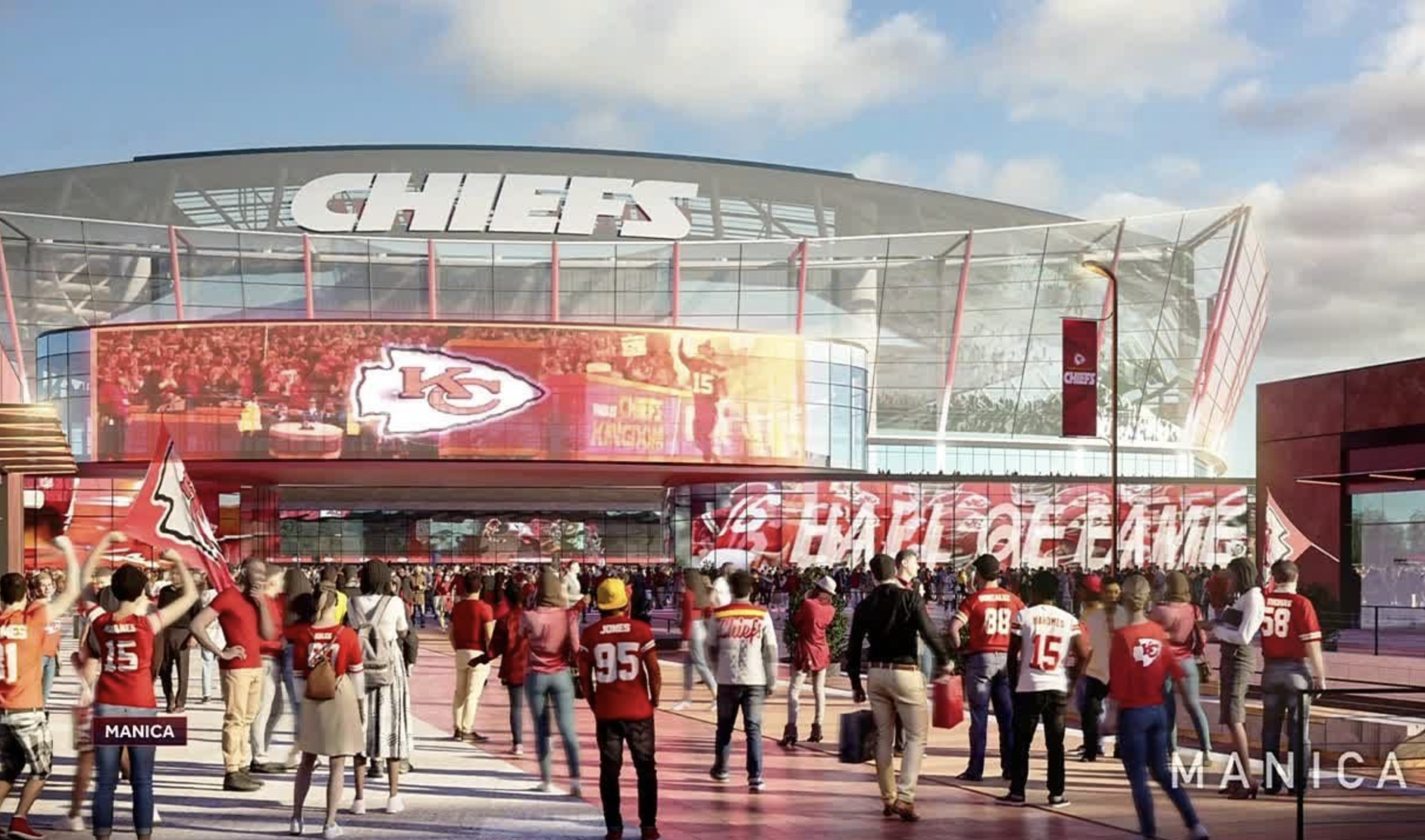
Still, many said the long-term opportunity could center on a downtown Kansas City Royals stadium.
“That would be the easy button,” Jimenez said, drawing broad agreement from the panel.
The message from the summit was clear: Kansas City commercial real estate is not stalled. It is recalibrating, and success will belong to those who can adapt to a market where costs are higher, timelines are longer, and underwriting is more disciplined than ever.
Header image: MetroWire Media's Office-Retail Summit contributors; (L to R) Moderator, Marcia Youker, and panelists; Beck Johnson, Charlie Lowe, Audtrey Navarro, Bryn Charsley, and Chris Jimenez. Image / MetroWire Media